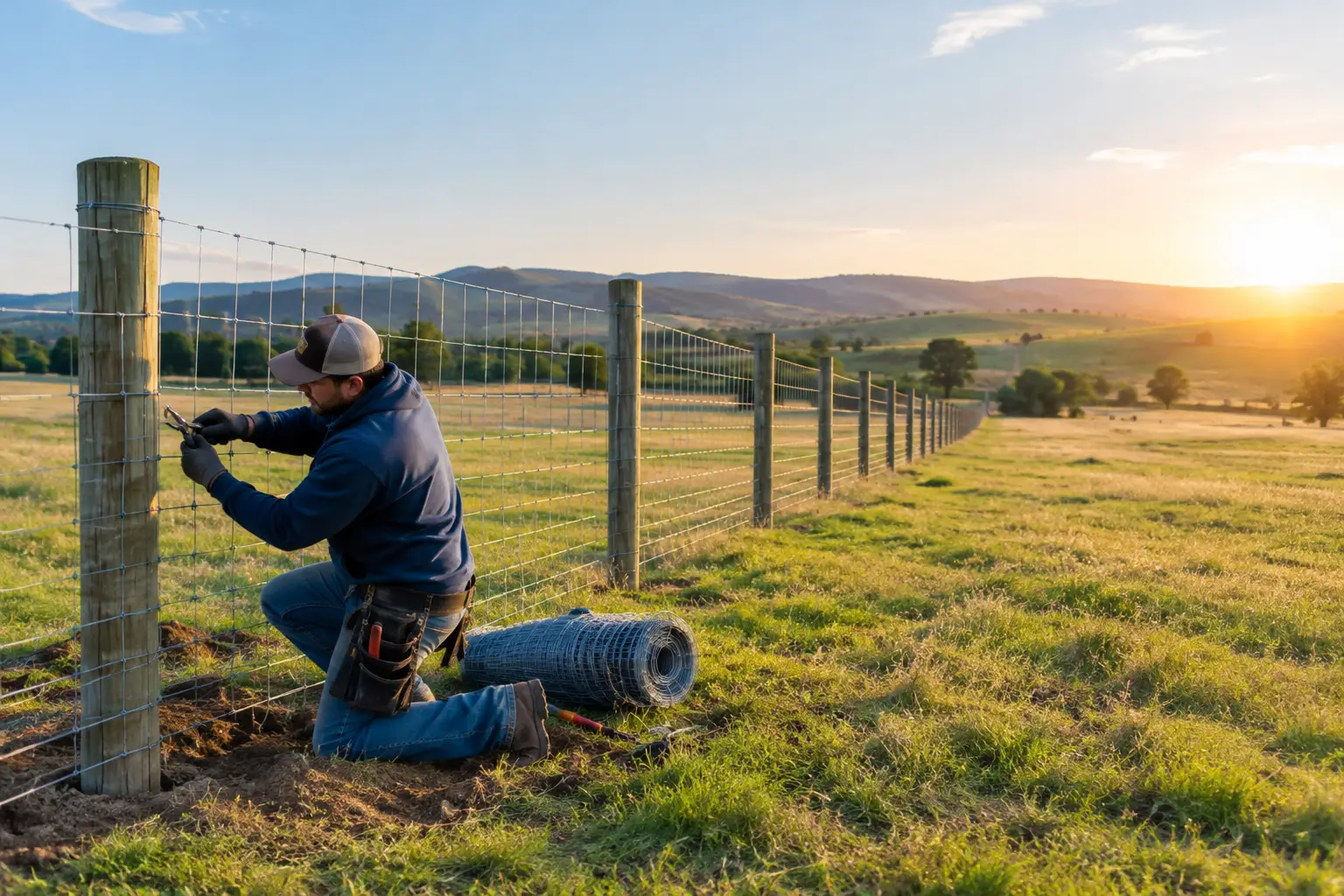
Perimeter Fence Installation for Acreage

A perimeter fence does more than mark where one property ends and another begins. It protects livestock, limits unwanted access, helps manage hunting or recreational use, and gives a raw parcel a clear, usable shape. Proper perimeter fence installation for acreage starts well before the first post goes into the ground. The layout, terrain, vegetation, gates, and intended use all affect whether the finished fence serves the property well for years or becomes a recurring maintenance problem.
For rural landowners in the Florida Panhandle and Southern Alabama, fence work often follows a familiar sequence: wooded ground must be opened up, old fence lines cleared, access improved, and drainage considered before a durable perimeter can be built. Treating fencing as part of the overall land-development plan produces a cleaner result and helps avoid costly changes later.
Start With the Purpose of the Fence
The right fence depends on what the property needs to do. A boundary fence for a homesite has different demands than a cattle enclosure, horse pasture, hunting property, or agricultural tract. Security may be the priority on one parcel, while livestock containment and easy equipment access matter more on another.
Before selecting materials, define the job clearly. Consider who and what the fence is meant to contain or keep out, how often people will enter the property, and whether the land may be divided into pastures or developed later. A fence that works for a few horses may not be appropriate for cattle. A simple field fence may define a boundary, but it may not provide the level of privacy or access control wanted around a residence.
Future plans deserve attention as well. If a barn, home, driveway, pond, or additional pasture is planned, the perimeter and gate locations should support that work. It is far easier to establish gates and lanes around a site plan than to move a completed fence after construction begins.
Confirm the Boundary Before Fence Installation
A fence line is not a substitute for a surveyed property line. On acreage, old wire, tree blazes, creek beds, and informal markers can be misleading. Building in the wrong location can create neighbor disputes and expensive corrections, especially where properties have changed hands or timber has been cut over the years.
Use a current survey or have the property boundary located before finalizing the layout. This is particularly important near roads, utility corridors, drainage easements, and shared access areas. A contractor can help identify practical construction challenges, but a licensed surveyor is the right resource for confirming legal boundaries.
Once the boundary is established, the fence does not always need to sit directly on it. In some situations, placing the fence slightly inside the property line provides room for maintenance and avoids conflict with existing trees, ditches, or neighboring fences. The best approach depends on the parcel, local requirements, and the agreement with adjacent landowners.
Clear a Fence Corridor That Can Be Maintained
A straight, accessible fence line is easier to build and much easier to maintain. Dense brush, vines, saplings, stumps, and low-hanging limbs can push wire out of alignment, trap moisture against wood posts, and make future repairs difficult. On overgrown acreage, clearing the corridor is usually one of the most important parts of the project.
The amount of clearing needed depends on the fence type and the ground conditions. A narrow, well-prepared path may be enough for some boundary fencing. Properties with heavy vegetation, uneven terrain, or long runs may need a wider corridor so crews and equipment can work safely and so the owner can inspect the fence later.
Forestry mulching can be a practical option for clearing brush and small trees while leaving mulch on the ground to help limit erosion. Larger trees, stumps, and problem areas may require more involved land clearing. The goal is not to remove every tree from the property. It is to create a clean, workable line without leaving obstacles that will compromise the fence.
Choose Materials for the Land and Livestock
Material selection should be based on function, not just initial cost. Less expensive fencing can be appropriate for some large boundary runs, but it may require more frequent attention. A higher-cost system may be the better value where animals, security, appearance, or long-term durability are major concerns.
Treated wood posts remain a dependable choice for many rural properties, particularly for corners, braces, and gates. Steel T-posts are commonly used along long wire runs. Pipe or heavier structural posts may make sense at entrances and high-use areas where strength and appearance matter.
Wire selection also varies by use. Woven wire can help contain smaller livestock and keep out certain animals. High-tensile wire works well on properly designed agricultural fencing but must be installed with correct tension and bracing. Barbed wire is common for cattle applications, while no-climb or horse fencing may be preferable where animal safety is a concern. Electric fencing can add effective containment, but it requires consistent maintenance and a reliable energizer.
A good fence is a system. The posts, braces, wire, tension, corners, and gates must work together. Strong corner assemblies and properly braced changes in direction are especially important. If these points are weak, the rest of the fence can sag or lose tension over time.
Design Gates Around How You Actually Use the Property
Gate placement is one of the most overlooked decisions in perimeter fence installation for acreage. A gate that looks adequate on a drawing can become frustrating once a truck, trailer, tractor, or emergency vehicle needs to use it.
Main entrances should provide enough width and turning room for the largest equipment expected on the property. If hay trailers, livestock trailers, dump trucks, or construction equipment will enter, the approach needs to be considered along with the gate itself. A gate installed at a sharp turn or on soft ground can create daily access problems.
Secondary gates can improve how the land functions. They may connect pasture sections, provide access to a pond or wooded area, or allow maintenance equipment to reach the back of the property without crossing sensitive ground. Gate hardware should be selected for regular use and installed so the gate swings, latches, and drains properly.
Where security is a concern, a well-built entrance combined with a durable gate provides a clearer point of control than an open drive. The entrance should still be practical. Security does not help much if the gate location makes it difficult for the owner, service providers, or livestock trailers to enter safely.
Account for Terrain, Drainage, and Changing Ground Conditions
Acreage rarely has perfectly level ground. Slopes, low spots, wet-weather drainage, creek crossings, sandy soil, and soft ground all affect fence construction. Ignoring these conditions can leave gaps under the fence, unstable posts, or sections that wash out after heavy rain.
Fence lines should follow the terrain in a way that maintains containment without placing unnecessary stress on posts and wire. In low areas, crews may need to address drainage before installation or use design methods suited to seasonal water flow. At ditches and crossings, the fence must allow water to move without leaving an opening large enough for livestock or wildlife to pass through.
Driveway construction and fence installation should also be coordinated. A new entrance, culvert, or gravel drive can change how water moves across the front of the property. Planning these improvements together prevents a finished fence from having to be removed for later grading or access work.
Build for Maintenance, Not Just the First Day
Even quality fencing needs inspection. Trees fall, animals test weak spots, and weather changes the ground. The most dependable fence is one that the owner can reach, see, and repair without fighting brush or poor access.
Keep the fence corridor clear enough for periodic checks. Watch for leaning posts, loose staples, sagging wire, washouts, and limbs resting on electric lines. After major storms, inspect gates, corners, low areas, and sections near wooded edges first. Addressing a small issue early is usually far less expensive than rebuilding a failed run later.
A professionally installed fence also benefits from keeping records. Save the survey, note the material type, and document gate locations and any underground utilities or drainage features nearby. This information is useful when adding cross fencing, expanding a pasture, or planning a future building project.
Coordinate Fencing With the Rest of the Property Work
On undeveloped land, perimeter fencing is often most efficient when coordinated with clearing, access-road work, grading, and site preparation. Heavy equipment can establish a clean route, remove obstacles, improve entrances, and prepare the ground before fencing crews begin. This reduces duplicated work and helps the property come together as one functional system.
J4 Land Development scopes fence projects around the conditions that matter on the ground: acreage, vegetation, terrain, access needs, livestock requirements, and the improvements planned next. A custom approach helps ensure the fence supports the land instead of becoming another obstacle to work around.
A well-planned perimeter fence gives acreage a dependable edge. Whether the next step is grazing livestock, building a home, improving security, or simply making the property easier to manage, the best time to plan the fence is while the larger vision for the land is still taking shape.
Comments